- Publisher
- W. W. Norton & Company
- Published
- 2023
- Pages
- 528
- ISBN
- 9781324064879
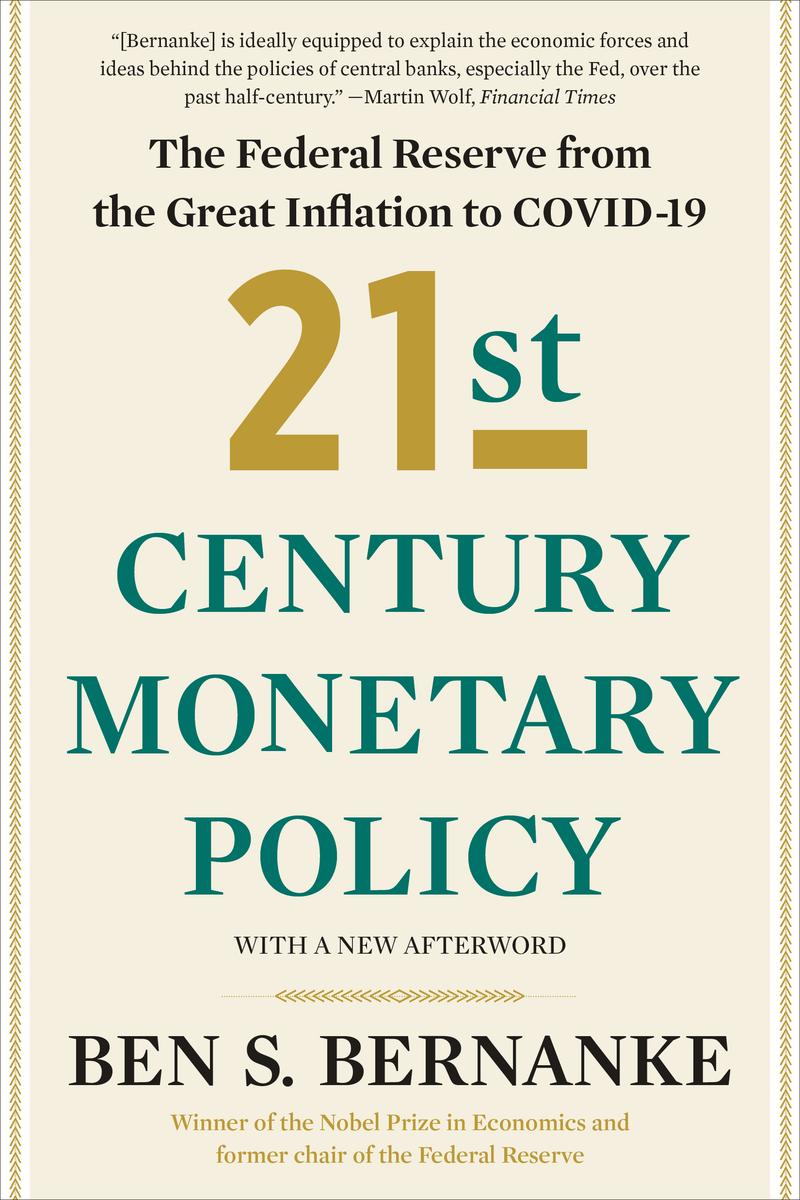
21st Century Monetary Policy
The Federal Reserve from the Great Inflation to COVID-19
Add this book to a shelf to choose who sees itShare this book
In response to the COVID-19 pandemic, the Federal Reserve deployed an extraordinary range of policy tools that helped prevent the collapse of the financial system and the U.S. economy. Chair Jerome Powell and his colleagues lent directly to U.S. businesses, purchased trillions of dollars of government securities, pumped dollars into the international financial system, and crafted a new framework for monetary policy that emphasized job creation. These strategies would have astonished Powell’s late-20th-century predecessors, from William McChesney Martin to Alan Greenspan, and the advent of these tools raises new questions about the future landscape of economic policy. In 21st Century Monetary Policy, Ben S. Bernanke—former chair of the Federal Reserve and one of the world’s leading economists—explains the Fed’s evolution and speculates on its future. Taking a fresh look at the bank’s policymaking over the past seventy years, including his own time as chair, Bernanke shows how changes in the economy have driven the Fed’s innovations. He also lays out new challenges confronting the Fed, including the return of inflation, cryptocurrencies, increased risks of financial instability, and threats to its independence. Beyond explaining the central bank’s new policymaking tools, Bernanke also captures the drama of moments when so much hung on the Fed’s decisions, as well as the personalities and philosophies of those who led the institution.
Your rating
- Publisher
- W. W. Norton & Company
- Published
- 2023
- Pages
- 528
- ISBN
- 9781324064879
The conversation
Between readers
No one's reviewed this one yet. Be the first.
In print
Reviews elsewhere
“This exercise of historical assessment from a central participant is one that more policymakers should probably try. It allows readers to make judgments along with Bernanke and think about what lessons today’s policymakers—who are once again battling inflation—might take.”
The New York Times, David LeonhardtRead the full review(opens The New York Times in a new tab) “This exercise of historical assessment from a central participant is one that more policymakers should probably try. It allows readers to make judgments along with Bernanke and think about what lessons today’s policymakers—who are once again battling inflation—might take.”
The New York Times Book Review, David LeonhardtRead the full review(opens The New York Times Book Review in a new tab)
Keep reading
More by Ben S Bernanke