- Publisher
- W. W. Norton & Company
- Published
- 2023
- Pages
- 304
- ISBN
- 9781324064510
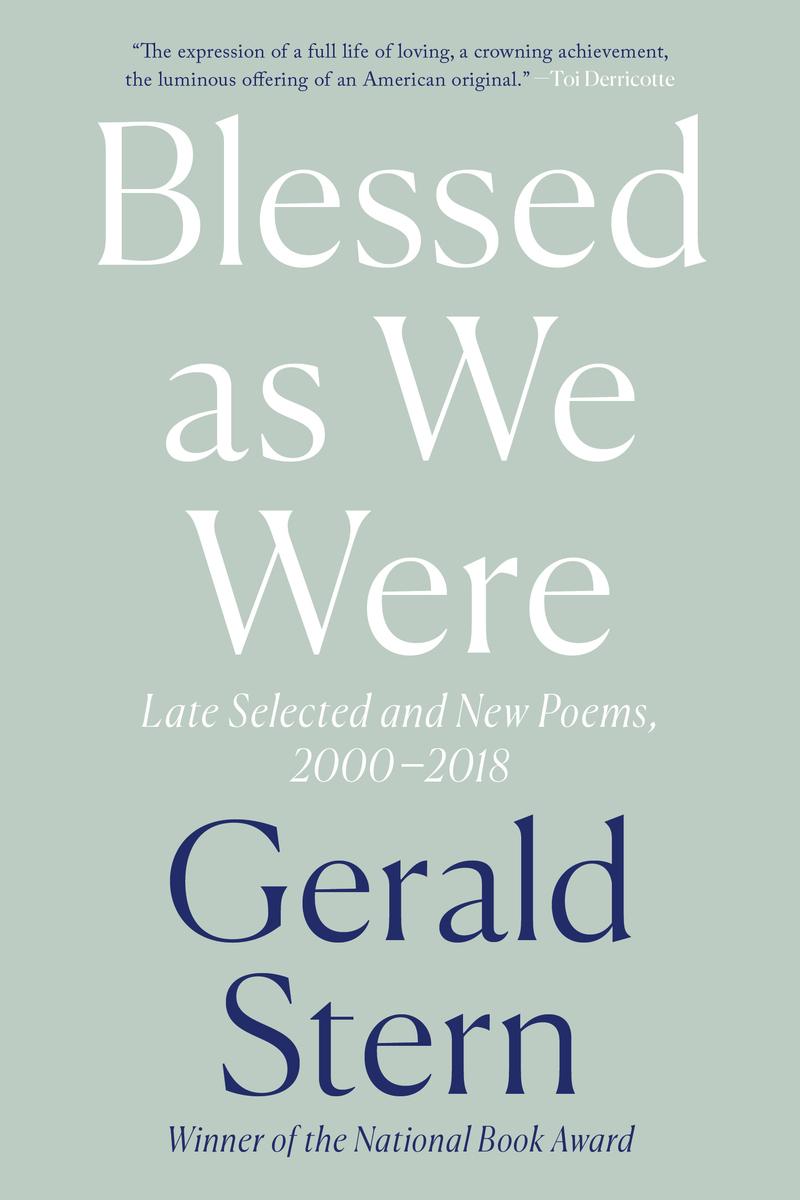
Blessed as We Were
Late Selected and New Poems, 2000-2018
by Gerald Stern
Add this book to a shelf to choose who sees itShare this book
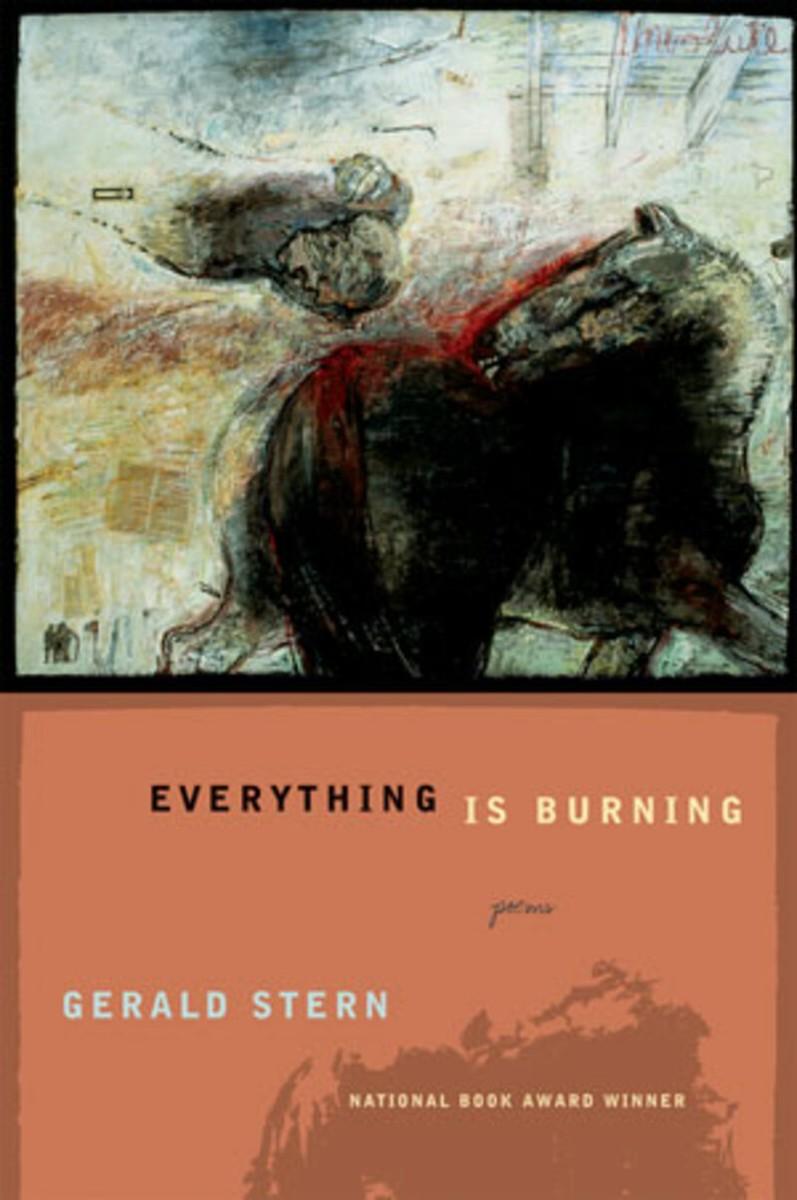
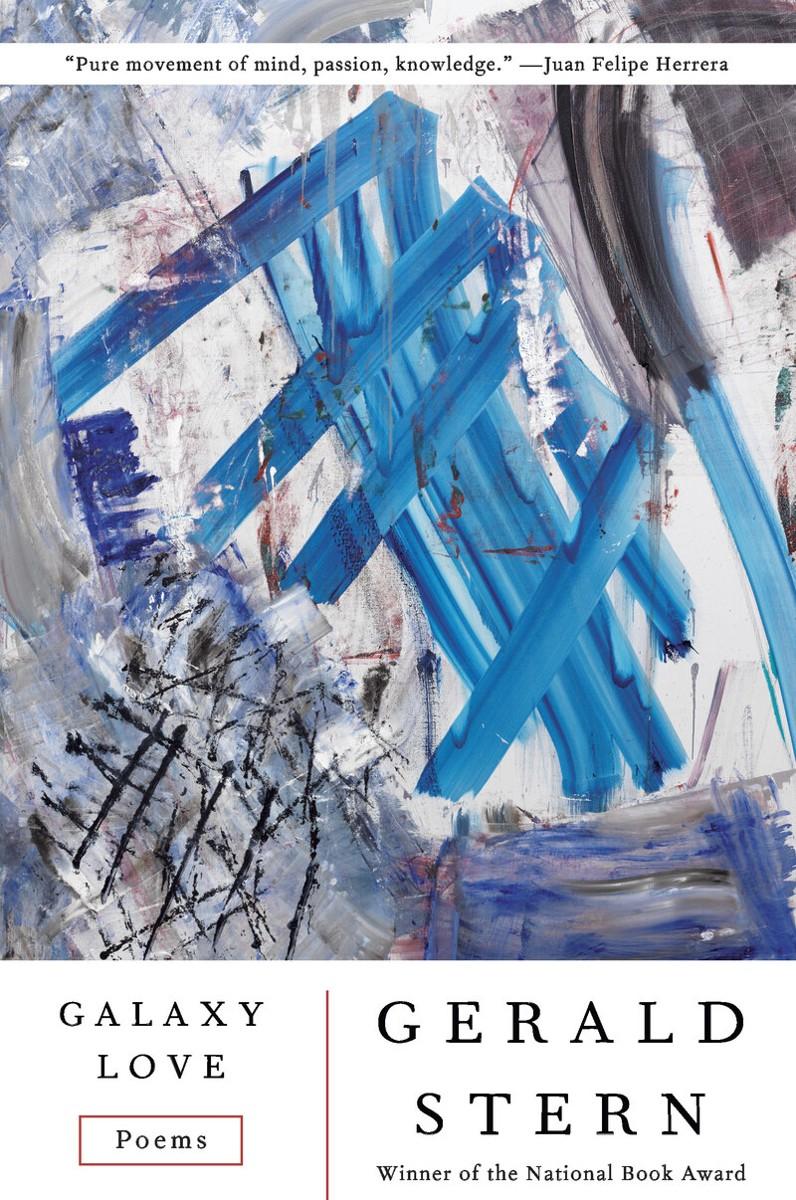
For five decades, Gerald Stern has been writing his own brand of expansive, deep-down American poetry. Now in his nineties, this “sometimes comic, sometimes tragic visionary” (Edward Hirsch) engages a lifetime of memories in his poems, blending philosophical, wide-ranging intellect with boisterous wit. Memory unites the poems in Blessed as We Were, which reach back through seven collections written over almost two decades. Stern explores casual miracles, relationships, and the natural world in Last Blue (2000); offers a satirical and redemptive vision in Everything Is Burning (2005) and Save the Last Dance (2008); meditates on the metamorphosis of aging in In Beauty Bright (2012); and captures the sensual joys of life—even when they are far in the past—in the wistful love poems and elegies of Galaxy Love (2017). The volume concludes with over two dozen new poems that combine the metaphysical with the domestic, from the passage of time and the cost of love to the profound banality of cardboard and its uses. With his characteristic exuberant, oracular voice animating every line, Stern reminds us why he is one of the great American poets, one who has long “been telling us that the best way to live is not so much for poetry, but through poetry” (New York Times Book Review).
Your rating
- Publisher
- W. W. Norton & Company
- Published
- 2023
- Pages
- 304
- ISBN
- 9781324064510
The conversation
Between readers
No one's reviewed this one yet. Be the first.
In print
Reviews elsewhere
“One of our most influential and beloved poets, fifty years after the publication of his first book, Gerald Stern is still in love, still angry, still outraged, and still funny. Blessed as We Were is the expression of a full life of loving, a crowning achievement, the luminous offering of an American original.”
Toi Derricotte, Toi DerricotteRead the full review(opens Toi Derricotte in a new tab) “Gerald Stern’s collection of selected and new poems from 2001 to 2018, Blessed as We Were, showcases poems rooted in place that barrel forward, leaving the reader gasping to take a breath by the end of each one.”
Jewish Book Council, Elizabeth Deanna Morris Lakes · April 13, 2020Read the full review(opens Jewish Book Council in a new tab)
Keep reading
More by Gerald Stern
Keep reading
Reclaiming Dignity; New & Expanded 2nd Edition
A guide to Tzniut for Men and Women
Bracha Poliakoff, Rabbi Anthony Manning4(2)