- Publisher
- W. W. Norton & Company
- Published
- 2021
- Pages
- 288
- ISBN
- 9780393868289
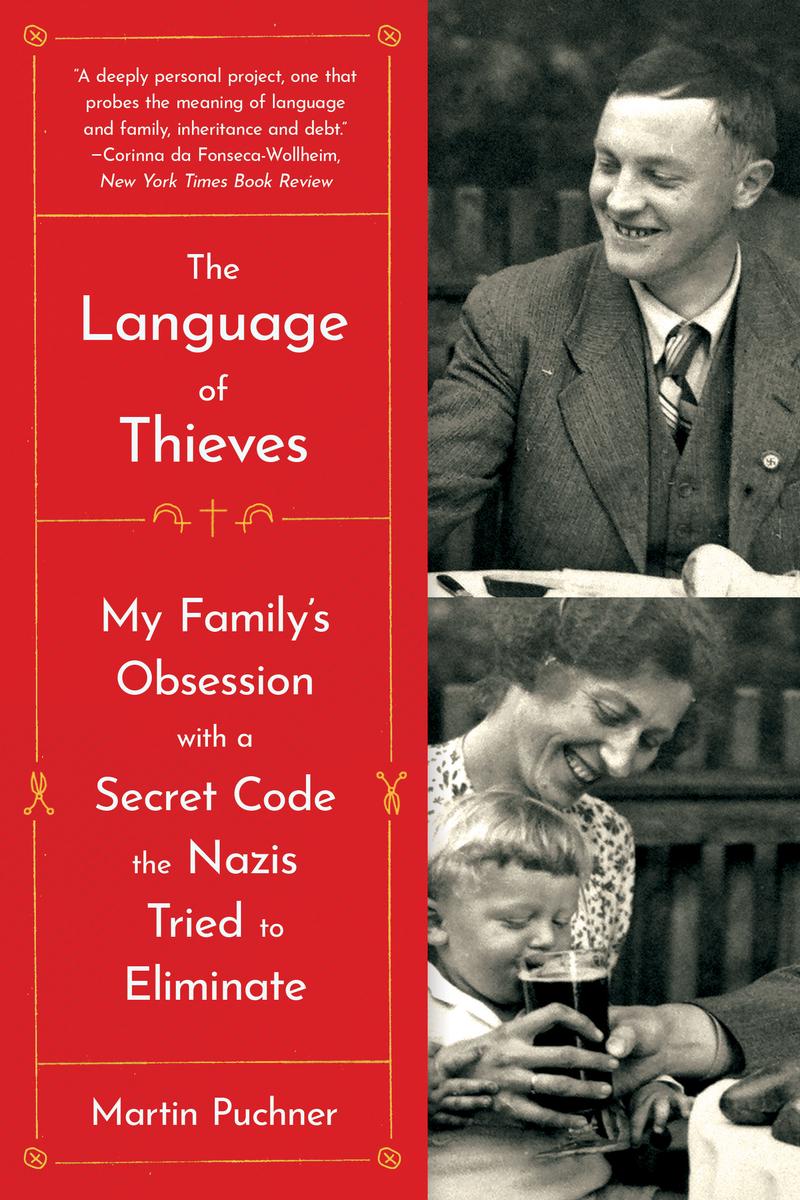
The Language of Thieves
My Family's Obsession with a Secret Code the Nazis Tried to Eliminate
Add this book to a shelf to choose who sees itShare this book
Centuries ago in middle Europe, a coded language appeared, scrawled in graffiti and spoken only by people who were "wiz" (in the know). This hybrid language, dubbed Rotwelsch, facilitated survival for people in flight—whether escaping persecution or just down on their luck. It was a language of the road associated with vagabonds, travelers, Jews, and thieves that blended words from Yiddish, Hebrew, German, Romani, Czech, and other European languages and was rich in expressions for police, jail, or experiencing trouble, such as "being in a pickle." This renegade language unsettled those in power, who responded by trying to stamp it out, none more vehemently than the Nazis. As a boy, Martin Puchner learned this secret language from his father and uncle. Only as an adult did he discover, through a poisonous 1930s tract on Jewish names buried in the archives of Harvard’s Widener Library, that his own grandfather had been a committed Nazi who despised this "language of thieves." Interweaving family memoir with an adventurous foray into the mysteries of language, Puchner crafts an entirely original narrative. In a language born of migration and survival, he discovers a witty and resourceful spirit of tolerance that remains essential in our volatile present.
Your rating
- Publisher
- W. W. Norton & Company
- Published
- 2021
- Pages
- 288
- ISBN
- 9780393868289
The conversation
Between readers
No one's reviewed this one yet. Be the first.
In print
Reviews elsewhere
“Born in Nuremberg and now a professor of English at Harvard, Puchner made his discovery 30 years ago while studying at the Widener Library.”
Kirkus Reviews · July 27, 2020Read the full review(opens Kirkus Reviews in a new tab) “Puchner, a professor of English and Comparative Literature at Harvard, brilliantly integrates the personal and the professional in this intriguing account of his quest to learn as much as possible about Rotwelsch…Rich with insight and vivid character sketches, this moving and well-informed cultural history deserves a wide readership.”
Publishers Weekly (starred review)Read the full review(opens Publishers Weekly (starred review) in a new tab)