- Publisher
- Independently Published
- Published
- 1988
- Pages
- 322
- ISBN
- 9780805006803
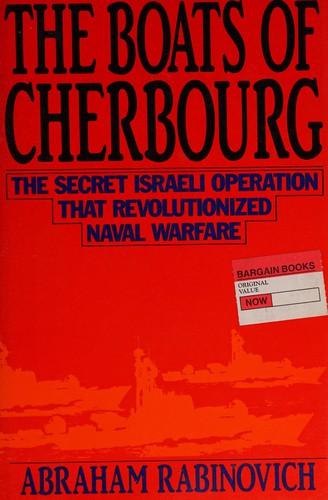
The boats of Cherbourg
Add this book to a shelf to choose who sees itShare this book
On Christmas Eve 1969, five small boats slipped out of Cherbourg harbor after midnight into the teeth of a Force Nine gale that sent large freighters scurrying for cover. The boats, ordered by Israel from a local shipyard, had been embargoed for more than a year by French President Charles de Gaulle. In a brazen caper, the Israelis were now running off with them. As the boats raced for home and Paris fumed, the world media chortled at Israel's hutspa. But the story was far bigger than they knew. Over the next decade, engineers working virtually round-the-clock developed the first missile boats in the West. Of a dozen boat platforms ordered in Cherbourg seven sailed to Israel before the embargo. The five that escaped completed the flotilla. But the Soviets had meanwhile also developed missile boats which they distributed to their Arab allies. Their powerful and accurate missiles had twice the range of Israel's. To secure Israel's sea lanes, the navy devised electronic countermeasures that would hopefully divert the enemy missiles. On the first night of the Yom Kippur War, an Israeli squadron engaged three Syrian missile boats in the first ever missile-to-missile battle at sea. The Syrian boats fired first but all three were sunk. Two nights later, three Egyptian missile boats were sunk. The electronic umbrella had worked and no Israeli boat was hit. A new naval age had dawned.
Your rating
- Publisher
- Independently Published
- Published
- 1988
- Pages
- 322
- ISBN
- 9780805006803
The conversation
Between readers
No one's reviewed this one yet. Be the first.
Keep reading
More by Abraham Rabinovich
Keep reading