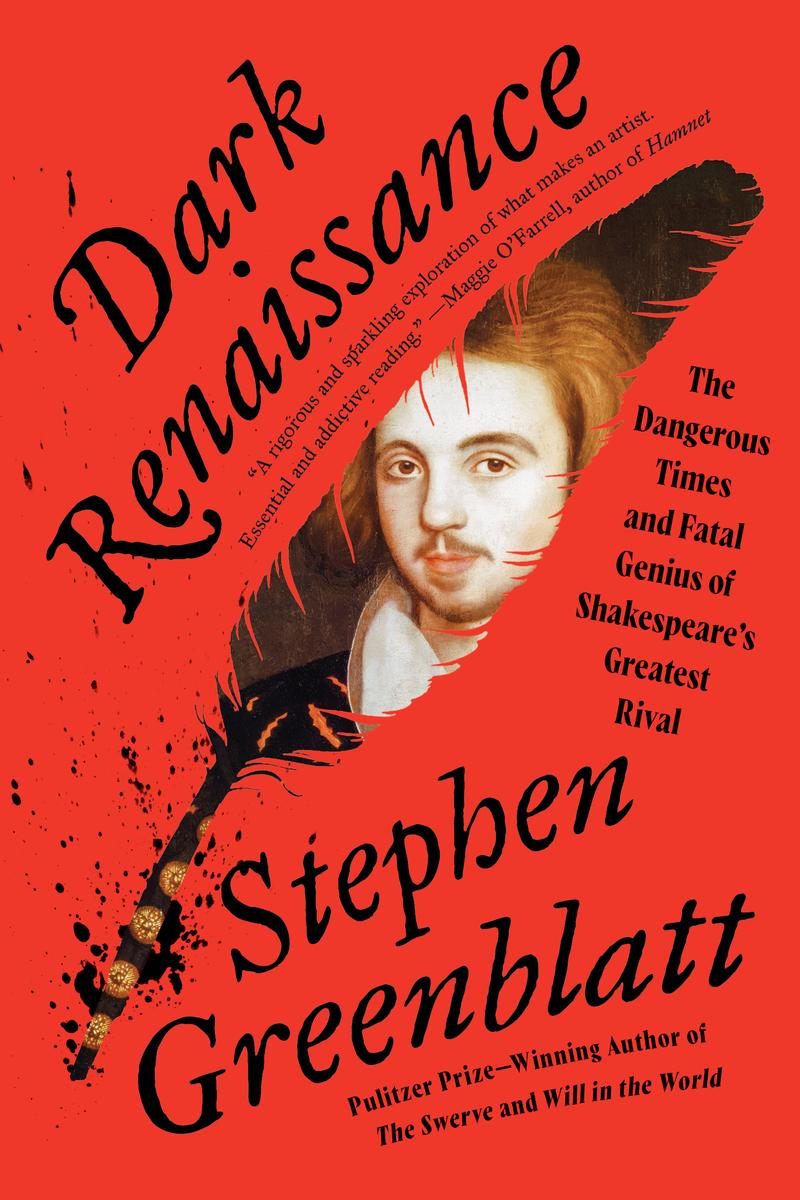
Dark Renaissance
The Dangerous Times and Fatal Genius of Shakespeare's Greatest Rival
Stephen Greenblatt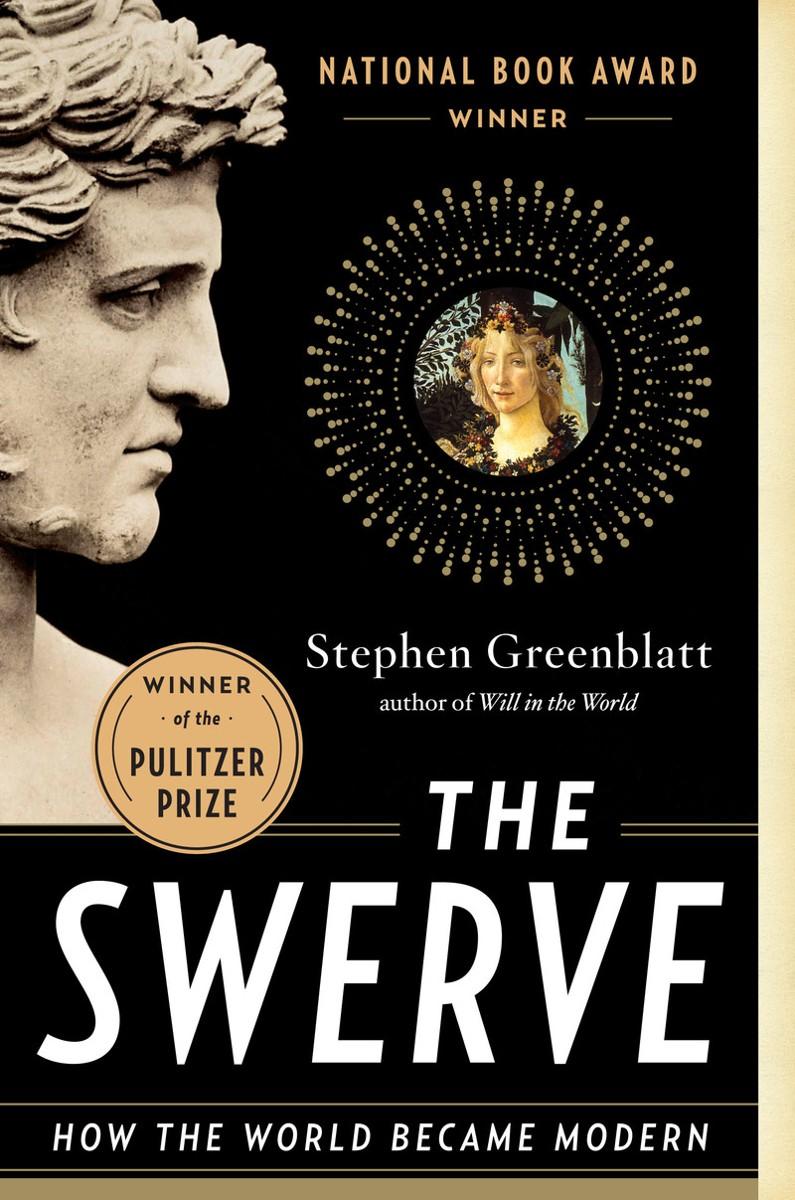
How the World Became Modern
In the winter of 1417, a short, genial, cannily alert man in his late thirties plucked a very old manuscript off a dusty shelf in a remote monastery, saw with excitement what he had discovered, and ordered that it be copied. He was Poggio Bracciolini, the greatest book hunter of the Renaissance. His discovery, Lucretius’ ancient poem On the Nature of Things, had been almost entirely lost to history for more than a thousand years. It was a beautiful poem of the most dangerous ideas: that the universe functions without the aid of gods, that religious fear is damaging to human life, that pleasure and virtue are not opposites but intertwined, and that matter is made up of very small material particles in eternal motion, randomly colliding and swerving in new directions. Its return to circulation changed the course of history. The poem’s vision would shape the thought of Galileo and Freud, Darwin and Einstein, and—in the hands of Thomas Jefferson—leave its trace on the Declaration of Independence. From the gardens of the ancient philosophers to the dark chambers of monastic scriptoria during the Middle Ages to the cynical, competitive court of a corrupt and dangerous pope, Greenblatt brings Poggio’s search and discovery to life in a way that deepens our understanding of the world we live in now. “An intellectually invigorating, nonfiction version of a Dan Brown–like mystery-in-the-archives thriller.” —Boston Globe
The conversation
No one's reviewed this one yet. Be the first.
In print
“More wonderfully illuminating Renaissance history from a master scholar and historian.”
“The ideas in The Swerve are tucked, cannily, inside a quest narrative. . . . The details that Mr. Greenblatt supplies throughout The Swerve are tangy and exact. . . . There is abundant evidence here of what is Mr. Greenblatt’s great and rare gift as a writer: an ability, to borrow a phrase from The Swerve, to feel fully 'the concentrated force of the buried past.'”
“In The Swerve, the literary historian Stephen Greenblatt investigates why [Lucretius'] book nearly dies, how it was saved and what its rescue means to us.”
Keep reading
The Dangerous Times and Fatal Genius of Shakespeare's Greatest Rival
Stephen GreenblattKeep reading
“In this outstandingly constructed assessment of the birth of philosophical modernity, renowned Shakespeare scholar Greenblatt deftly transports reader to the dawn of the Renaissance...Readers from across the humanities will find this enthralling account irresistible.”
A Memoir of Jewish Life in Ukraine and Crimea
Pinkhes-Dov Goldenshteyn5(1)reviews
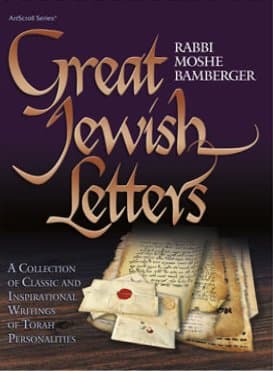
A collection of classic and inspirational writings of Torah personalities
Moshe Bamberger5(1)reviews
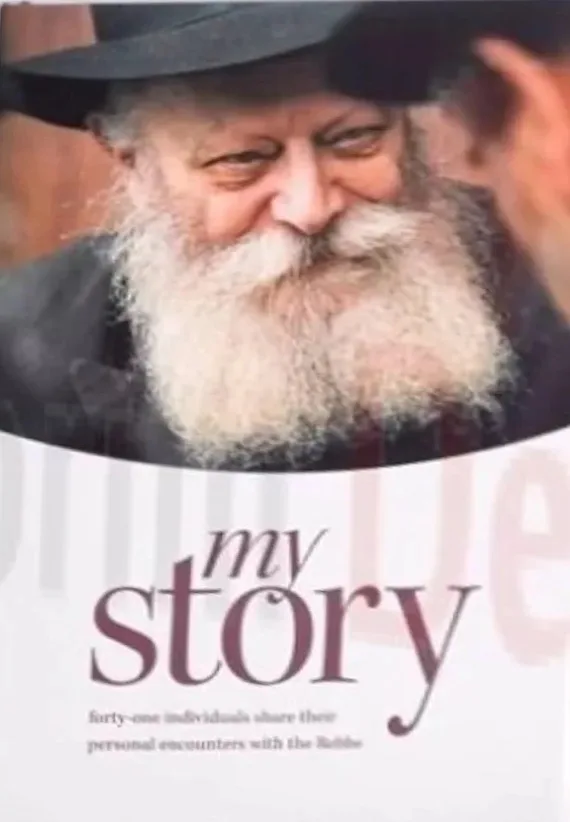
Forty-one Individuals Share Their Personal Encounters with the Rebbe : Based on Testimonies Recorded by the My Encounter with the Rebbe Oral History Project by Jewish Educational Media
Jewish Educational Media4.75(1)reviews