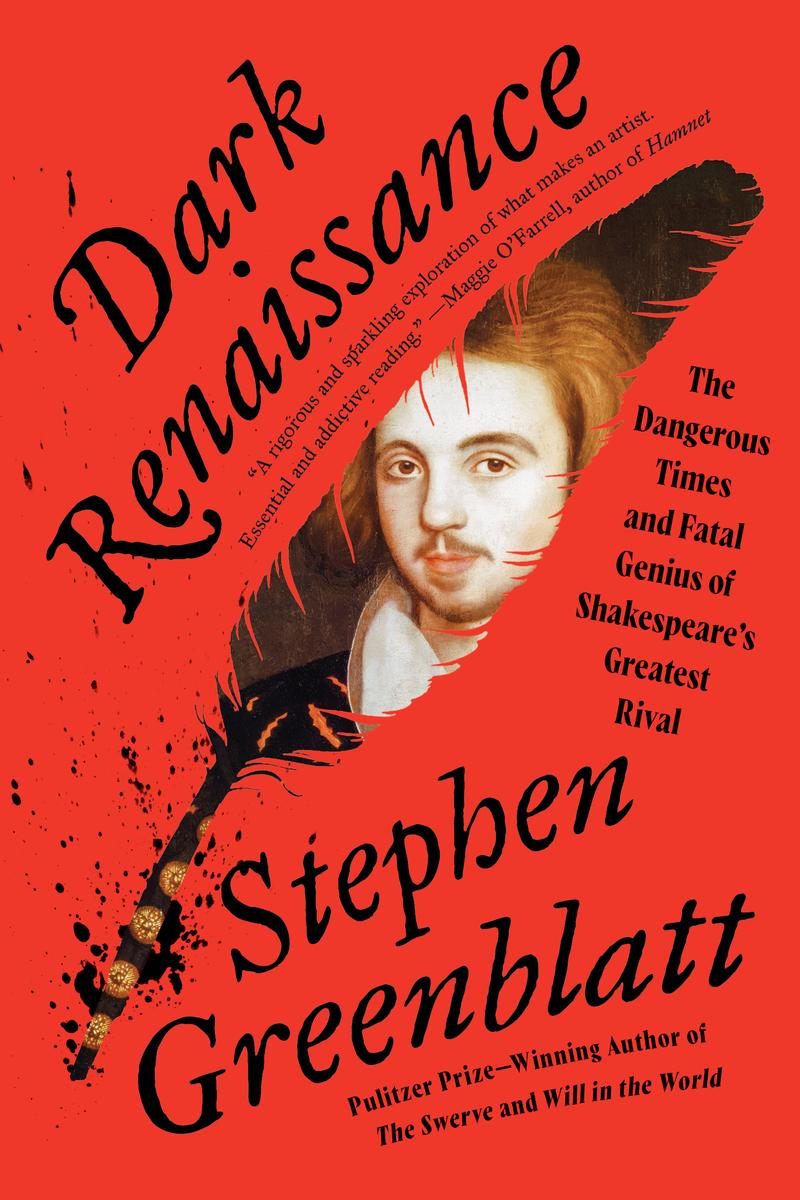
Dark Renaissance
The Dangerous Times and Fatal Genius of Shakespeare's Greatest Rival
Stephen Greenblatt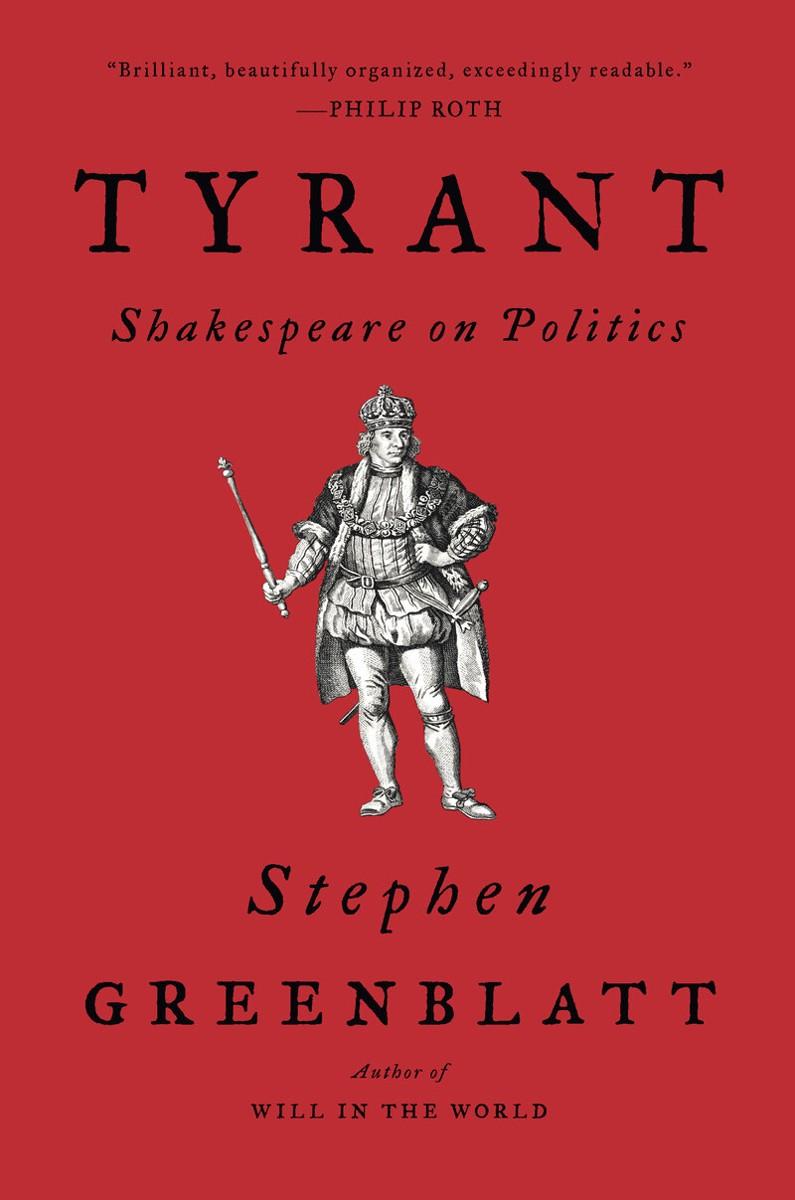
Shakespeare on Politics
Examining the psyche—and psychoses—of the likes of Richard III, Macbeth, Lear, and Coriolanus, Greenblatt illuminates the ways in which William Shakespeare delved into the lust for absolute power and the disasters visited upon the societies over which these characters rule. Tyrant shows that Shakespeare’s work remains vitally relevant today, not least in its probing of the unquenchable, narcissistic appetites of demagogues and the self-destructive willingness of collaborators who indulge their appetites.
The conversation
No one's reviewed this one yet. Be the first.
In print
“[Tyrant] is valuable less for what it has to say about Shakespeare's plays than for how it applies the wisdom it has acquired through careful study of these works to the crisis roiling American democracy.”
“Both the risk and the thrill of this rhetorical daring electrifies Tyrant. Shakespeare lived five centuries ago, yet Greenblatt's book has the feel of a series of urgent and very contemporary dispatches.”
“Elegant and deftly written.”
Keep reading
The Dangerous Times and Fatal Genius of Shakespeare's Greatest Rival
Stephen GreenblattKeep reading
A guide to Tzniut for Men and Women
Bracha Poliakoff, Rabbi Anthony Manning4(2)
“Greenblatt shows us not only that Shakespeare’s writings can serve as a brilliant guide to the mess of our current politics but also that he—Greenblatt, that is—is perfectly well able to give us an account of them.”
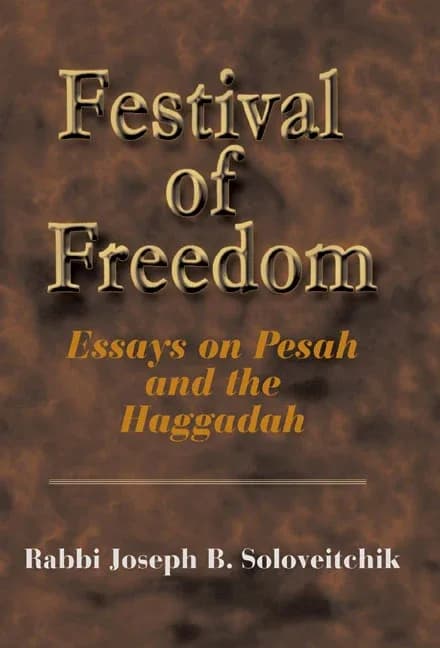
Essays on Central Themes of the Passover Haggadah
Rabbi Joseph B. Soloveitchik zt"l